


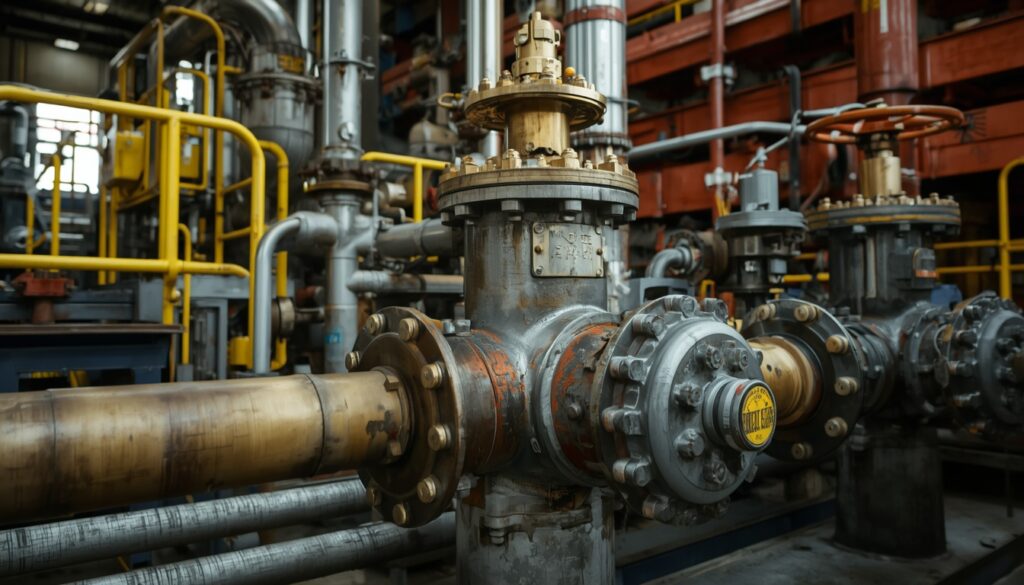
The oil and gas industry operates under some of the most demanding industrial conditions in the world. High pressure, extreme temperatures, corrosive media, and continuous operation require reliable equipment at every stage of production and transportation. Among the most important components in these systems are industrial valves. Whether used in upstream drilling platforms, midstream pipeline transportation, or downstream refining facilities, valves directly influence operational safety, efficiency, and maintenance costs.
In oil and gas operations, even a small valve failure can lead to expensive downtime, environmental risks, and safety concerns. Pipelines often transport crude oil, natural gas, chemicals, and other hazardous media over long distances. A reliable valve system helps operators isolate sections quickly, prevent leakage, and maintain stable pressure conditions throughout the process.
Ball valves are commonly selected for quick shut-off applications because they provide tight sealing and fast operation. Gate valves are widely used for isolation in high-pressure systems, while check valves prevent reverse flow that may damage pumps and compressors. Butterfly valves are often applied in larger pipeline systems where weight reduction and easy automation are important.
Material Selection Is Critical
Oil and gas environments expose valves to highly corrosive substances, including sulfur compounds, saltwater, and aggressive chemicals. Selecting the correct valve material is essential for long-term durability. Carbon steel valves are widely used in standard operating environments, while stainless steel and alloy materials are preferred for corrosive or offshore applications.
In offshore projects, operators often choose valves with anti-corrosion coatings and advanced sealing materials to improve service life. Poor material selection may initially reduce procurement cost, but it often creates far higher maintenance expenses later.
To explore industrial valve solutions for oil and gas projects, visit our /products page.
Automation Improves Operational Efficiency
Modern oil and gas facilities increasingly rely on automated valve systems. Pneumatic and electric actuators allow operators to monitor and control valve performance remotely, reducing manual intervention and improving workplace safety.
Automated valves also help maintain stable process conditions and improve emergency response times. In large pipeline systems, automation supports predictive maintenance strategies by identifying abnormal operating conditions before major failures occur. This approach reduces unexpected shutdowns and improves overall operational efficiency.
Remote valve monitoring is becoming increasingly important in offshore drilling projects and large-scale natural gas transportation systems. Companies that invest in automation often improve both safety performance and production stability over the long term.
International Standards and Compliance
Oil and gas projects usually require valves that comply with international technical standards such as API, ANSI, and ISO. Standard-compliant valves improve compatibility, reliability, and safety during long-term operation.
API-certified valves are especially important in high-pressure and high-temperature environments commonly found in refineries and pipeline systems. Compliance with recognized engineering standards also simplifies maintenance, replacement, and international procurement processes.
For additional information about industrial standards and engineering practices, refer to the official ISO standards website:
https://www.iso.org/standards.html
Long-Term Performance Creates Real Value
Many companies focus heavily on initial purchase price during procurement. However, in the oil and gas industry, lifecycle cost is often far more important than short-term savings. High-quality industrial valves reduce maintenance frequency, improve operational stability, and minimize production interruptions.
Low-cost valves may appear attractive at the purchasing stage, but frequent replacement and operational failures often create much higher long-term expenses. Durable valves with reliable sealing performance can significantly improve the efficiency and safety of industrial operations.
As global energy projects continue to expand, demand for durable and efficient valve solutions will remain strong. Companies that prioritize quality, technical compliance, and reliable supply chains are better positioned to support long-term oil and gas infrastructure development.