


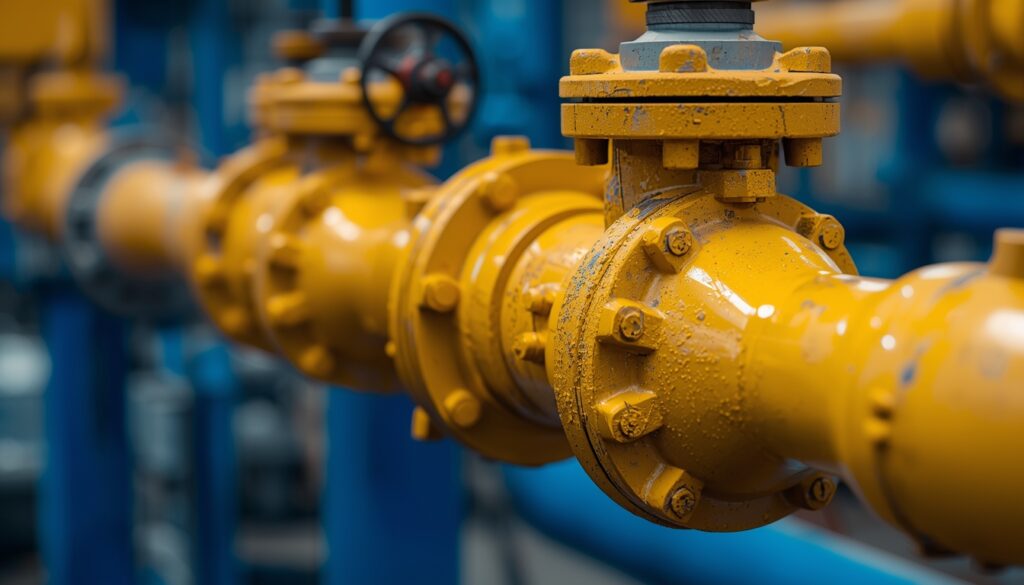
Selecting the right valve for corrosive media is a critical decision in many industrial applications, including chemical processing, wastewater treatment, and mining operations. Choosing the wrong valve material or design can lead to leakage, premature failure, and costly downtime. Understanding how different valve types perform in corrosive environments helps ensure long-term reliability and safety.
Why Corrosion Matters
Corrosive media such as acids, alkalis, and chemical solvents can rapidly degrade standard valve materials. Over time, this leads to erosion, seal damage, and structural weakening. Even minor corrosion can compromise sealing performance, resulting in leaks that may disrupt operations or create safety hazards.
Therefore, selecting corrosion-resistant materials is just as important as choosing the correct valve type.
Best Valve Types for Corrosive Applications
Different valve designs perform differently under corrosive conditions:
- Butterfly Valves are widely used due to their simple structure and cost efficiency. When lined with PTFE or rubber, they offer excellent resistance to many chemicals.
- Ball Valves provide tight shut-off and are suitable for aggressive media when equipped with corrosion-resistant seats such as PTFE or PEEK. However, they may require higher torque.
- Gate Valves are generally not recommended for highly corrosive media unless specially designed, as their internal surfaces are more exposed to fluid contact.
- Diaphragm Valves are ideal for highly corrosive fluids because the diaphragm isolates the fluid from internal components, reducing material exposure.
Material Selection Guidelines
Choosing the correct material is the key to corrosion resistance:
- PTFE (Teflon): Excellent chemical resistance, suitable for most acids and solvents
- PVC/CPVC: Cost-effective for mild corrosive environments
- Stainless Steel (316/316L): Good resistance, but not suitable for strong acids like hydrochloric acid
- Hastelloy and Alloy Materials: Ideal for highly aggressive chemicals but more expensive
Material compatibility should always be verified based on the specific chemical composition, temperature, and pressure.
Sealing and Lining Considerations
In corrosive environments, sealing performance is critical. Valves with lined bodies or coated internal surfaces can significantly extend service life. PTFE-lined butterfly valves and fluorine-lined ball valves are commonly used solutions in chemical plants.
Additionally, selecting the right sealing design reduces leakage risks. Soft-seated valves generally provide better sealing but may have limitations in high-temperature environments.
Practical Selection Tips
When selecting a valve for corrosive media, consider the following:
- Identify the exact chemical composition of the fluid
- Evaluate operating temperature and pressure
- Determine frequency of operation
- Consider maintenance accessibility
- Balance cost versus lifespan
No single valve type fits all applications. The best choice depends on a combination of material compatibility, valve design, and working conditions.
Conclusion
Selecting the right valve for corrosive media requires a careful balance between material selection, valve type, and operational conditions. By understanding how different valves perform in harsh environments, industrial users can improve system reliability and reduce maintenance costs.
Explore our full range of industrial valves on our product page.