


Valve selection may seem straightforward, but even experienced engineers know that choosing the wrong valve can lead to leakage, excessive maintenance, or unexpected downtime. Whether working in a water treatment facility, chemical plant, power station, or oil and gas operation, understanding a few core valve principles can make a significant difference in system performance and reliability.
Know the Purpose of Each Valve Type
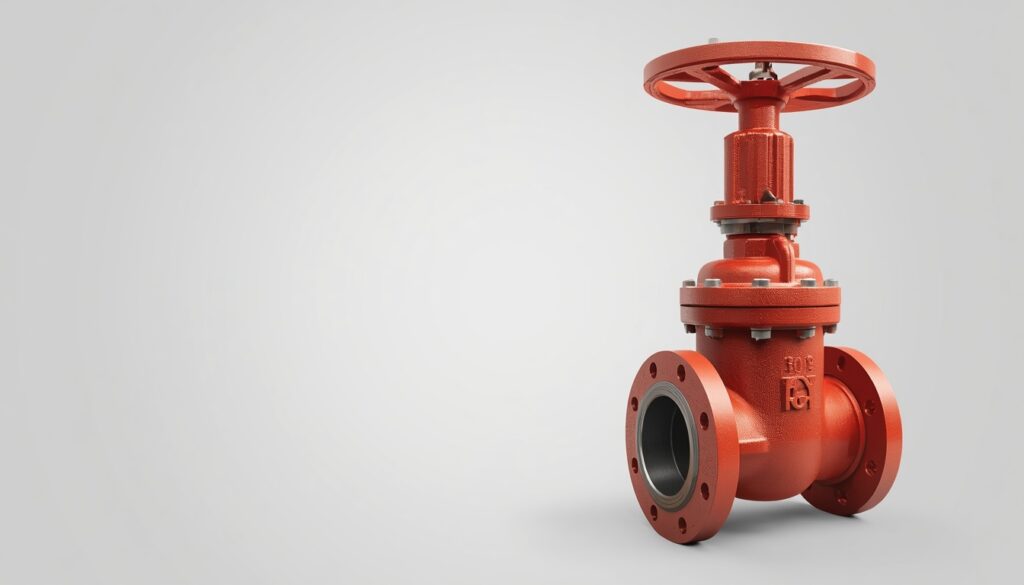
Not all valves perform the same job. Ball valves are widely used for quick shut-off applications because they provide tight sealing and simple operation. Gate valves are often found in systems where full flow is required with minimal pressure loss. Globe valves are preferred when flow regulation is important, while butterfly valves offer a lightweight and economical solution for large pipelines. Check valves serve a completely different purpose by preventing reverse flow that could damage pumps or other equipment.
Pressure, Temperature, and Materials Matter
A valve that performs well in one service condition may fail quickly in another. Before selecting a valve, engineers must consider operating pressure, temperature, media characteristics, and corrosion risks. Carbon steel valves are common in general industrial service, while stainless steel is often selected for corrosive environments or applications requiring higher cleanliness standards. Understanding pressure classes and material compatibility is just as important as choosing the valve style itself.
Reliability Depends on Proper Maintenance
Many valve failures are not caused by manufacturing defects but by inadequate inspection and maintenance. Small leaks, damaged seals, excessive vibration, or actuator problems can gradually affect system efficiency. Regular maintenance programs help identify issues before they develop into costly shutdowns. In industries where continuous operation is critical, such as power generation and petrochemical processing, proactive valve maintenance is often far less expensive than emergency repairs.
Understanding these valve fundamentals helps engineers make better decisions throughout the life of a piping system. From selecting the correct valve type to planning maintenance schedules, a solid knowledge of valve basics contributes directly to safer operation, lower costs, and improved plant performance. Explore our complete range of industrial valve solutions here: https://sinovalvehub.com/products-2/. For additional technical information, engineers can also refer to the Valve Manufacturers Association at https://www.vma.org.