


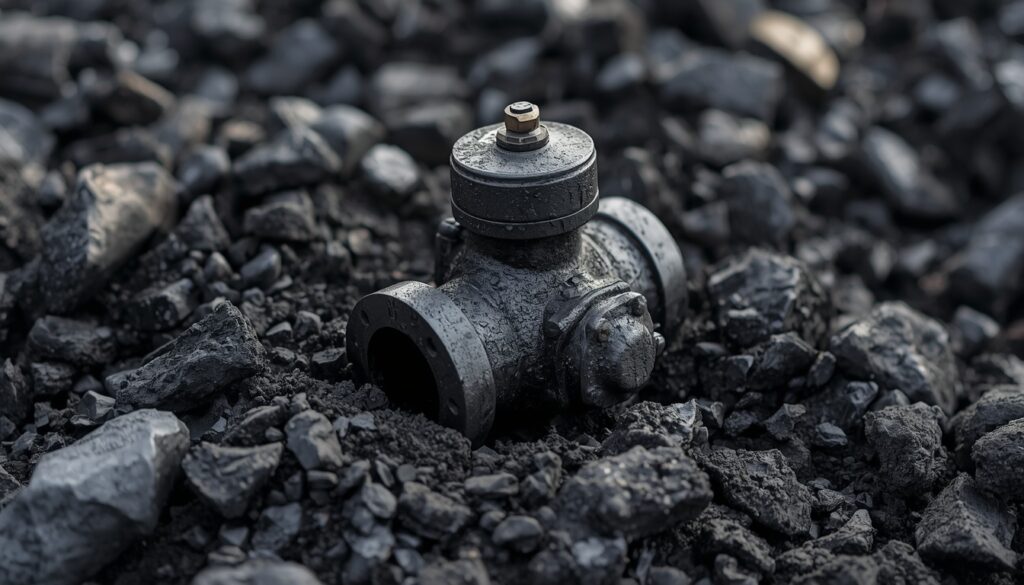
Coal preparation systems are some of the harshest environments for industrial valves. Slurry lines carry abrasive solids at high velocity, while fine coal dust and acidic mine water gradually damage sealing surfaces and actuators. In many plants, standard valves fail far earlier than expected — especially in tailings handling, wash water circulation, and dense media systems.
Several coal processing facilities have reported recurring issues with conventional butterfly and gate valves, including seat wear, stem leakage, and actuator failure caused by dust contamination. In one U.S. preparation plant, operators replaced standard butterfly valves on slurry transfer lines with customized metal-reinforced designs using replaceable polyurethane seats. Maintenance frequency was significantly reduced, and shutdown interruptions became less common during peak production periods.
Why OEM & ODM Valves Matter in Coal Processing
Coal slurry service rarely fits standard valve specifications. Abrasive concentration, particle size, pressure fluctuation, and chemical composition can vary widely from one mine to another. OEM and ODM valve manufacturing allows engineers to adapt valve structures to actual operating conditions rather than relying on general-purpose products.
In high-wear applications, mining operators often request ceramic-lined discs, hardened stainless steel trim, or tungsten carbide coatings to improve service life. Dust-heavy environments may also require sealed pneumatic actuators with higher ingress protection ratings. Underground installations sometimes demand explosion-proof electric actuators for methane-prone areas.
Some mining companies also prefer customized flange standards, non-standard face-to-face dimensions, or modified actuator mounting systems to simplify replacement in older pipelines. These are areas where OEM & ODM valve suppliers can provide practical advantages.
Explore more industrial valve solutions here:
Sino Valve Hub Products
OEM vs ODM for Mining Valve Procurement
For many coal plants, OEM manufacturing is mainly used to reproduce existing valve designs with upgraded materials or sealing components. This approach is typically faster and works well for maintenance projects where pipeline dimensions cannot be changed.
ODM projects are different. They are more common in new processing lines or system upgrades where operators need improved flow performance, lower operating torque, or longer maintenance intervals. In these cases, valve manufacturers and end users often work together during the design stage.
Regardless of the approach, testing remains critical. Slurry service valves should be evaluated for seat leakage, wear resistance, and torque stability before large-scale installation. Industry guidance from organizations such as the MSHA can also help engineers improve safety and reliability in coal handling systems.