


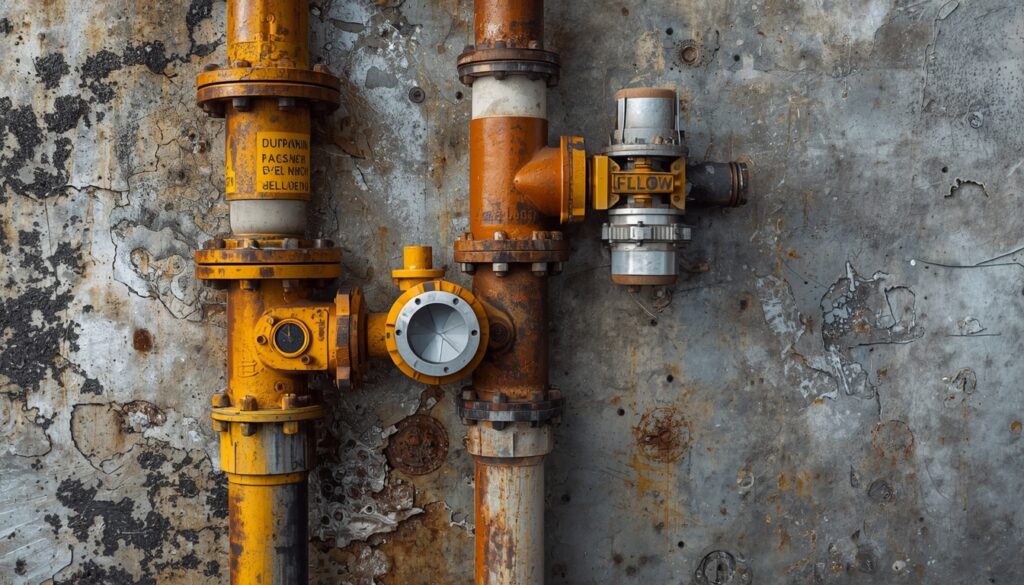
When dealing with corrosive media in industrial systems, choosing the right valve material is not just a technical detail — it directly affects safety, maintenance cost, and system lifespan.
In many projects we’ve seen, valve failure is not caused by poor manufacturing, but by selecting the wrong material for the working conditions.
Here are a few practical points to help you make the right decision.
1. Understand the Type of Corrosion
Not all corrosion is the same. Different fluids attack materials in different ways.
For example:
- Acidic fluids can quickly damage carbon steel
- Chloride-containing media can cause pitting in stainless steel
- High-temperature chemicals may accelerate material degradation
Always identify the chemical properties of the fluid before selecting the valve material.
2. Common Valve Materials and Their Applications
Choosing the right material depends on both the fluid and the environment.
- Carbon Steel: Suitable for non-corrosive or mildly corrosive applications
- Stainless Steel (304/316): Widely used in chemical and water systems
- PTFE-lined Valves: Ideal for strong acids and highly corrosive media
- Duplex Steel: Better resistance to chloride corrosion and high pressure
Each material has its limits. Over-specifying increases cost, while under-specifying leads to failure.
3. Consider Temperature and Pressure
Corrosion behavior changes under different conditions.
- High temperature can accelerate chemical reactions
- High pressure may affect sealing performance
- Thermal cycling can weaken material structure over time
Always evaluate temperature and pressure together with material compatibility.
4. Don’t Ignore Sealing Materials
Even if the valve body is correct, sealing components can fail first.
Common sealing materials include:
- PTFE
- EPDM
- NBR
Selecting the wrong sealing material can lead to leakage, even if the valve body is perfectly suitable.
5. Balance Cost and Reliability
In practice, many buyers try to reduce cost by choosing lower-grade materials.
However, in corrosive environments, this often leads to:
- Frequent replacement
- System downtime
- Higher long-term cost
A reliable material choice is always more economical in the long run.
Final Thoughts
Material selection is one of the most important factors in industrial valve performance.
A well-chosen valve not only ensures safety, but also reduces maintenance and extends system life.