


Introduction
Unexpected valve failures in petrochemical facilities can cause severe production interruptions and significant economic impact. Rapid replacement of critical pipeline components is essential to restore safe operations and maintain process continuity. This case study describes an emergency industrial valve replacement project for a major petrochemical refinery.
1. Project Background
The client operates a large petrochemical refinery complex that processes crude oil into fuels and chemical feedstocks. A critical 12-inch transfer pipeline carrying high-temperature hydrocarbons between processing units experienced sudden valve failure.
The existing gate valve seized during operation and developed structural cracking, forcing immediate isolation of the pipeline section and suspension of production in the affected unit.
2. Customer Challenge
The primary constraint was delivery time. Standard procurement channels quoted lead times of 8–12 weeks, which would have resulted in extended production losses.
Operational Downtime
Each day the pipeline remained offline required reduced processing rates and emergency flaring, impacting plant efficiency and throughput.
Technical Compatibility Requirements
The replacement valve required strict conformity with existing system specifications, including chrome-moly alloy steel construction for high-temperature hydrocarbon service, specified pressure class rating, and compatible end connections.
Logistical Constraints
The valve had to be manufactured, tested, and transported to a coastal industrial site within an extremely limited timeframe while avoiding potential supply chain disruptions.
3. Engineering and Supply Solution
An emergency response protocol was activated immediately upon receiving the request. Engineering, production, and logistics teams coordinated to accelerate the supply process.
Global Inventory Assessment
Semi-finished castings across regional warehouses and partner facilities were evaluated to identify components suitable for modification according to required specifications.
Accelerated Manufacturing Process
After securing a compatible valve body, priority machining and assembly schedules were implemented. A dedicated production team handled precision machining, assembly, and inspection procedures to minimize manufacturing lead time.
Production Monitoring and Reporting
Inspection records, testing reports, and manufacturing progress updates were provided to the client throughout the process to ensure transparency and schedule assurance.
4. Valve Specifications Supplied
A custom-configured high-performance industrial gate valve was supplied for the emergency pipeline repair.
Valve Type
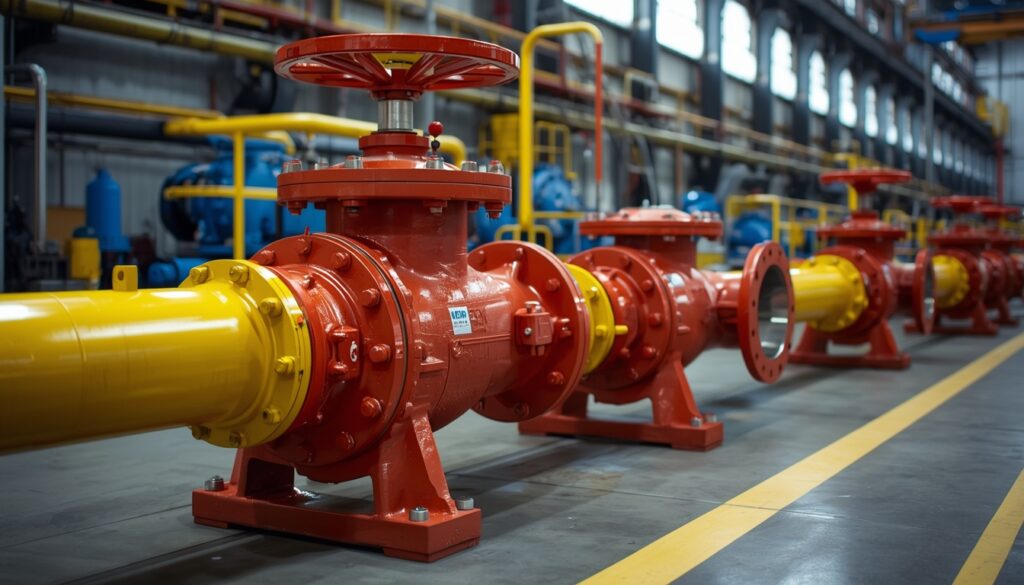
12-inch Class 600 bolted bonnet gate valve for high-pressure isolation service.
Body Material
ASTM A217 WC6 chrome-moly alloy steel suitable for elevated temperature hydrocarbon applications.
Trim Material
13% chromium stainless steel trim designed for enhanced erosion resistance and extended service life.
End Connections
Ring Type Joint (RTJ) flanges to ensure reliable sealing under high-pressure operating conditions.
Quality Testing
Hydrostatic pressure testing and pneumatic leakage testing were completed prior to shipment to verify structural integrity and sealing performance.
5. Results and Operational Benefits
The emergency valve replacement program enabled rapid restoration of pipeline operations.
Shortened Delivery Cycle
The valve was machined, assembled, tested, and prepared for shipment within five days, significantly shorter than conventional industry lead times.
Reduced Production Impact
Pipeline restoration during a scheduled outage window prevented extended shutdown and minimized production losses.
Operational Reliability
The valve met all inspection standards and has maintained stable performance since commissioning.
Strengthened Supplier Cooperation
Successful emergency support enhanced long-term cooperation and established priority supplier status for critical replacement requirements.
Conclusion
This project demonstrates the importance of rapid-response industrial valve supply capabilities in petrochemical pipeline operations. Coordinated engineering support, accelerated manufacturing processes, and strict quality control enable reliable emergency replacement solutions while maintaining safety and operational performance.