


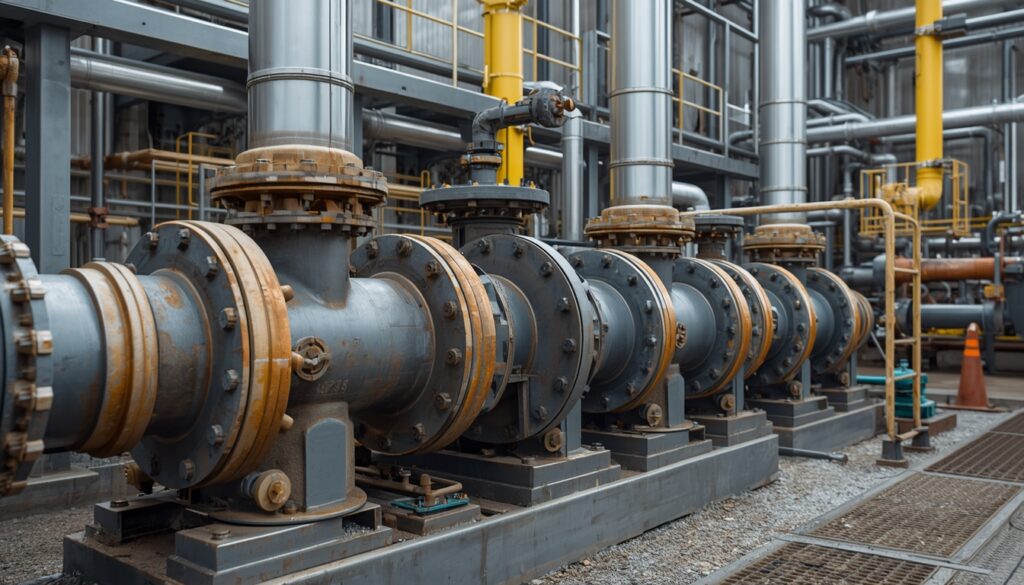
Valve leakage is a common operational risk in chemical processing facilities handling corrosive media. A mid-sized chemical manufacturing plant experienced frequent failures in its fluid handling systems due to severe corrosion and sealing problems. To improve operational safety and reduce maintenance costs, the plant upgraded its valve system by adopting PTFE-sealed butterfly valves.
1. Project Background
The client is a chemical production facility specializing in specialty chemicals and intermediates. Their processes involve handling highly aggressive media, including concentrated acids such as sulfuric acid and hydrochloric acid, caustic solutions, and various organic solvents.
The plant operates continuously, with fluid control systems playing a critical role in maintaining stable production. However, reliability issues were frequently reported in pipeline sections responsible for transporting corrosive waste fluids and raw chemical materials.
2. Customer Challenge
The facility initially installed standard metal-seated butterfly valves and generic lined valves throughout the system. Over time, two major operational issues emerged:
Corrosive Degradation
Aggressive chemical media gradually corroded the metal valve seats and discs, causing pitting, erosion, and material weakening.
Persistent Leakage
As internal components deteriorated, the valves failed to maintain tight shut-off performance. Leakage occurred both internally across the valve seat and externally through the stem seals, creating safety risks and potential environmental compliance concerns.
Frequent valve replacement and emergency maintenance significantly increased operational costs and disrupted production schedules.
3. Our Solution
After conducting an on-site inspection of the failed valves and reviewing process conditions, our engineering team recommended upgrading to PTFE-Sealed Butterfly Valves designed specifically for corrosive chemical environments.
The solution focused on the performance advantages of PTFE (Polytetrafluoroethylene):
Chemical Resistance
PTFE is highly resistant to nearly all industrial acids, alkalis, and solvents, preventing material degradation caused by chemical reactions.
High Purity
The material does not contaminate process media, making it suitable for precision chemical processing applications.
Reliable Sealing Performance
The combination of a PTFE seat and a precision-machined disc (manufactured from stainless steel or corrosion-resistant alloys and PFA-coated when required) provides bubble-tight shut-off, eliminating both internal and external leakage pathways.
4. Products Used
We supplied a series of Wafer-Type PTFE Lined Butterfly Valves configured for chemical service conditions.
Valve Size: 2″ to 8″
Body Material: Epoxy-coated ductile iron for enhanced corrosion resistance
Disc Material: Stainless Steel 316 with optional PFA coating
Seat Material: Virgin PTFE designed for bi-directional zero-leakage sealing
Operation Method: Manual gear operators for precise flow control in critical pipelines
5. Results and Benefits
Following installation, the upgraded valve system delivered measurable improvements in operational reliability and plant safety:
Zero Leakage Performance
The PTFE-sealed valves eliminated fugitive emissions and external dripping previously observed in the system.
Extended Service Life
Superior chemical resistance significantly reduced corrosion-related damage, extending valve lifespan beyond that of conventional metal-seated valves.
Reduced Maintenance Frequency
Maintenance teams reported fewer emergency repairs and less frequent valve replacement, improving workforce efficiency.
Lower Operating Costs
Reduced downtime, minimized product loss, and fewer replacement cycles resulted in noticeable operational cost savings.
Improved Safety and Compliance
Enhanced sealing reliability helped the facility maintain safer operating conditions and meet environmental compliance requirements.